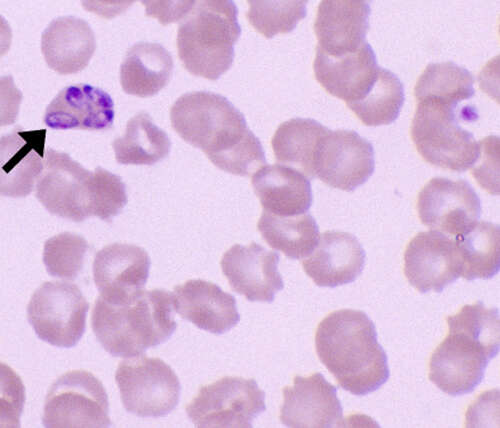
1. Complete Blood Count (CBC)
The CBC is the most fundamental screening tool, providing a detailed snapshot of your dog’s circulating blood cells. By measuring red blood cells, it can identify anemia or hydration issues, while white blood cell counts act as a “radar” for hidden infections and systemic inflammation. It also evaluates platelets, which are critical for proper blood clotting. Because dogs are masters at hiding discomfort, a CBC often catches brewing health problems like immune disorders or early-stage blood cancers long before your pet shows any physical signs of being unwell.
2. Biochemistry Panel (Blood Chemistry)
Think of this panel as a diagnostic “window” into your dog’s internal organs and metabolic state. It measures specific enzymes and proteins to assess how effectively the liver and kidneys are filtering toxins and processing nutrients. Additionally, it monitors blood sugar levels for diabetes and balances electrolytes to ensure proper heart and nerve function. For aging dogs, this test is non-negotiable, as it can detect the subtle onset of chronic organ failure or hormonal imbalances when they are still manageable through diet or medication.
3. Heartworm Test
This specialized blood test screens for Dirofilaria immitis, a parasite transmitted through a single mosquito bite that eventually migrates to the heart and lungs. Since heartworms can grow up to a foot long and cause permanent vascular damage, early detection is life-saving. Even if your dog is on a monthly preventive, annual testing ensures the medication is working and that no “breakthrough” infections have occurred. Catching heartworms early makes treatment significantly safer, cheaper, and more successful compared to treating an advanced, symptomatic infection.
4. Fecal Examination (Stool Test)
A fecal exam is a microscopic analysis used to find the eggs or larvae of intestinal parasites like roundworms, hookworms, and whipworms, as well as protozoa like Giardia. These parasites live in the digestive tract, stealing vital nutrients and causing issues like chronic diarrhea, weight loss, or a dull coat. Beyond your dog’s health, this test is a matter of public safety; many of these parasites are zoonotic, meaning they can be transmitted to humans—especially children. Regular screening ensures your home remains a parasite-free environment for the whole family.
5. Urinalysis
A urinalysis is a simple, non-invasive test that provides a wealth of information about a dog’s metabolic and urinary health. By checking the concentration of the urine and looking for the presence of blood, protein, or bacteria, it can confirm painful Urinary Tract Infections (UTIs) or the formation of bladder crystals. It is also one of the best tools for catching early-stage kidney disease—often showing changes in urine quality before those changes appear on a blood test—as well as identifying early indicators of diabetes and liver issues.
Why These Tests Are Necessary for Your Pet
Routine testing is the cornerstone of preventative medicine. Here is why these diagnostics are vital:
-
Proactive vs. Reactive Care: It is much easier (and more affordable) to manage a condition found during a routine screening than to treat a medical emergency once a pet has become visibly ill.
-
Establishing a “Baseline”: Having “normal” results on file gives your vet a point of comparison. If your dog gets sick later, the vet can look back to see what has changed, leading to a faster and more accurate diagnosis.
-
Safety Before Procedures: If your dog needs a dental cleaning or surgery, these tests act as a safety check to ensure their organs can safely process anesthesia.
-
Peace of Mind: Many pet owners feel a deep sense of relief knowing that their companion is truly healthy on the inside, confirming that their nutrition, exercise, and care routines are working perfectly.