 Your beloved dog, Max, who usually greets you with boundless energy, suddenly seems sluggish & won’t touch his favorite treats. Your heart sinks as you wonder what’s wrong. As pet owners, we often rely on gut feelings, but sometimes our furry companions need more than cuddles & home remedies – they need professional diagnostic testing. Understanding when to take that crucial step can make the DIFFERENCE between catching a problem early & watching it become something more serious.
Pet diagnostics are like detective tools that help veterinarians solve the mystery of what’s happening inside your pet’s body. These tests range from simple blood work to advanced imaging, each providing valuable clues about your pet’s health. Just like humans visit doctors for check-ups & tests, our pets sometimes need the same thorough examination to ensure they’re living their best lives. The challenge lies in recognizing when these tests are necessary, especially since our pets can’t tell us exactly how they’re feeling.Throughout this article, we’ll explore the warning signs that indicate your pet might need diagnostic testing, understand different types of tests available, & learn how to be proactive about your pet’s health. We’ll also discuss age-related considerations & help you build confidence in making these important healthcare decisions for your beloved companion.
- Behavioral Red Flags: When Your Pet’s Personality Changes

The most telling indicator that something might be wrong with your pet is a sudden change in their normal behavior. Animals are creatures of habit, & when their routines shift dramatically, it’s often their way of communicating that something isn’t right. Sarah, a dog owner from Texas, noticed her usually social Golden Retriever, Buddy, started hiding under the bed & avoiding family gatherings. This behavioral shift led to diagnostic tests that revealed early kidney disease, allowing for prompt treatment.
Changes in eating habits represent one of the most significant RED FLAGS. If your pet suddenly loses interest in food, eats significantly more than usual, or shows difficulty chewing & swallowing, these could indicate various health issues ranging from dental problems to more serious internal conditions. Similarly, dramatic shifts in drinking habits – either drinking excessively or refusing water – warrant immediate attention & often require blood tests to check for diabetes, kidney disease, or other metabolic disorders.
Sleep patterns & energy levels also provide crucial insights into your pet’s health. A typically energetic cat that suddenly sleeps all day, or a calm dog that becomes restless & can’t settle, might be experiencing pain, anxiety, or underlying medical conditions. These behavioral changes often prompt veterinarians to recommend comprehensive diagnostic workups, including blood chemistry panels & physical examinations, to identify the root cause & develop appropriate treatment plans.
2. Physical Symptoms That Demand Professional Investigation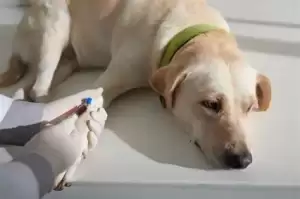
While behavioral changes offer important clues, physical symptoms often provide more direct evidence that diagnostic testing is necessary. Visible signs like limping, difficulty breathing, persistent coughing, or unusual lumps & bumps should never be ignored. These symptoms can indicate anything from minor injuries to serious conditions requiring immediate medical intervention & thorough diagnostic evaluation.
Digestive issues present another category of physical symptoms that frequently require diagnostic testing. Persistent vomiting, diarrhea lasting more than 24 hours, or signs of constipation can indicate various problems from dietary indiscretion to serious gastrointestinal disorders. When Mark’s cat, Whiskers, experienced recurring vomiting episodes, initial diagnostic tests including X-rays & blood work revealed an intestinal blockage that required emergency surgery. Early detection through proper diagnostics likely saved Whiskers’ life.
Changes in urination patterns also signal the need for diagnostic testing. Difficulty urinating, blood in urine, excessive urination, or accidents in house-trained pets can indicate urinary tract infections, bladder stones, or more serious kidney problems. These symptoms often require urinalysis, blood chemistry panels, & sometimes imaging studies to properly diagnose & treat the underlying condition. Skin problems, including persistent itching, hair loss, or unusual odors, might seem minor but can indicate allergies, infections, or hormonal imbalances that require specific diagnostic tests to identify & address effectively.
3. Age-Related Health Monitoring: When Senior Pets Need Extra Attention
As our pets age, their healthcare needs change significantly, & regular diagnostic testing becomes increasingly important for maintaining their quality of life. Senior pets – typically dogs over seven years old & cats over eight – face higher risks for various health conditions including arthritis, heart disease, kidney problems, & cancer. Many veterinarians recommend semi-annual wellness exams with basic diagnostic testing for senior pets, even when they appear healthy.
The concept of “senior wellness panels” has become standard in veterinary medicine, combining blood chemistry analysis, complete blood counts, & urinalysis to screen for common age-related conditions. These comprehensive tests can detect early signs of organ dysfunction, allowing for dietary modifications, medication adjustments, or lifestyle changes that can significantly extend & improve your pet’s life. Dr. Jennifer Martinez, a veterinarian with 15 years of experience, emphasizes that “catching problems early in senior pets often means the difference between managing a condition & watching it progress to something more serious.”
Cognitive changes in older pets also warrant attention & sometimes specialized testing. If your senior dog seems confused, disoriented, or shows changes in sleep-wake cycles, these could indicate cognitive dysfunction syndrome – essentially dementia for pets. While no single diagnostic test can confirm this condition, veterinarians often recommend comprehensive examinations & sometimes advanced imaging to rule out other causes & develop management strategies. Regular monitoring through diagnostic testing allows pet owners & veterinarians to adjust care plans as pets age, ensuring comfort & quality of life throughout their golden years.
4. Preventive Care: The Power of Routine Diagnostic Screening
Prevention remains the cornerstone of excellent pet healthcare, & routine diagnostic screening plays a vital role in catching problems before they become serious health crises. Annual wellness examinations should include basic diagnostic tests tailored to your pet’s age, breed, & risk factors. Young, healthy pets might only need basic blood work & fecal examinations, while older pets or those with chronic conditions require more comprehensive testing.
Breed-specific screening represents another important aspect of preventive diagnostic care. Certain breeds face higher risks for specific conditions – hip dysplasia in large dogs, heart problems in certain cat breeds, or eye conditions in specific dog breeds. Understanding your pet’s genetic predispositions helps determine which diagnostic tests might be most beneficial as preventive measures. For example, German Shepherds benefit from hip X-rays, while Persian cats should receive regular cardiac evaluations.
Establishing baseline values through routine testing provides invaluable reference points for future health assessments. When veterinarians have previous test results for comparison, they can more easily identify subtle changes that might indicate developing problems. This approach allows for earlier intervention & often less invasive treatment options. Regular preventive diagnostic testing might seem expensive initially, but it often saves money long-term by catching problems early when they’re easier & less expensive to treat.